


GREEK HERITAGE · THE JOURNAL
The Meaning of the Greek Evil Eye
Discover the meaning behind the Greek evil eye and the traditions that inspired modern Mati jewelry, including necklaces, pendants, bracelets and earrings.
Greek Roots | Athens, Greece
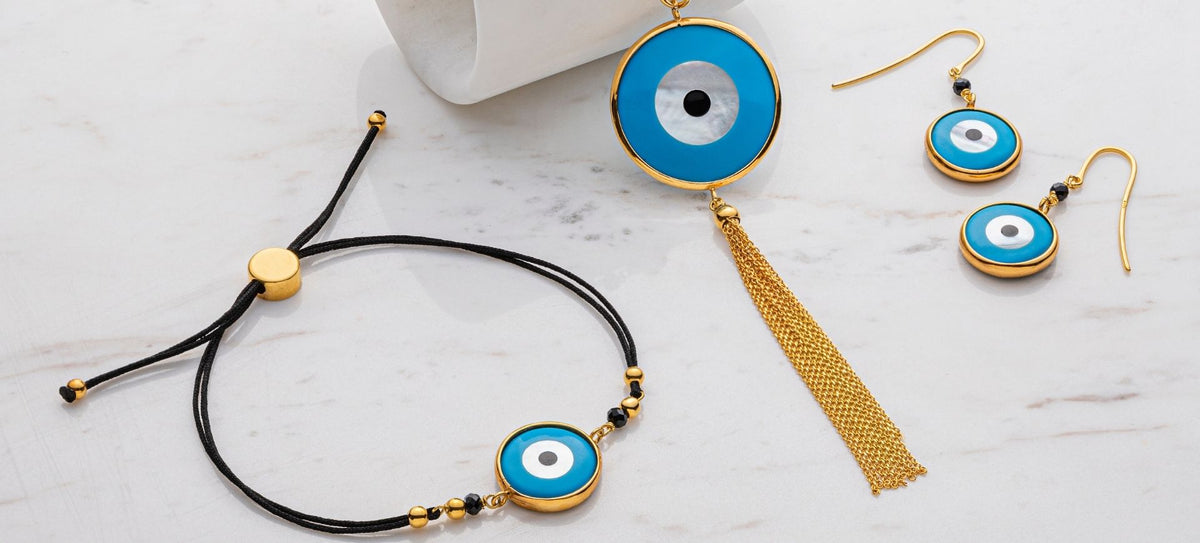
Few symbols are more closely associated with Greece than the evil eye, known in Greek as the mati, whose familiar blue design can be found throughout the country on jewelry, souvenirs, home decorations, ceramics, and many everyday objects.
For many people, the eye represents protection from the evil eye, a belief that a harmful or envious gaze can bring misfortune.
Today, Greek evil eye jewelry is recognized around the world as one of the most familiar symbols of Greek culture.
What Is the Greek Evil Eye?
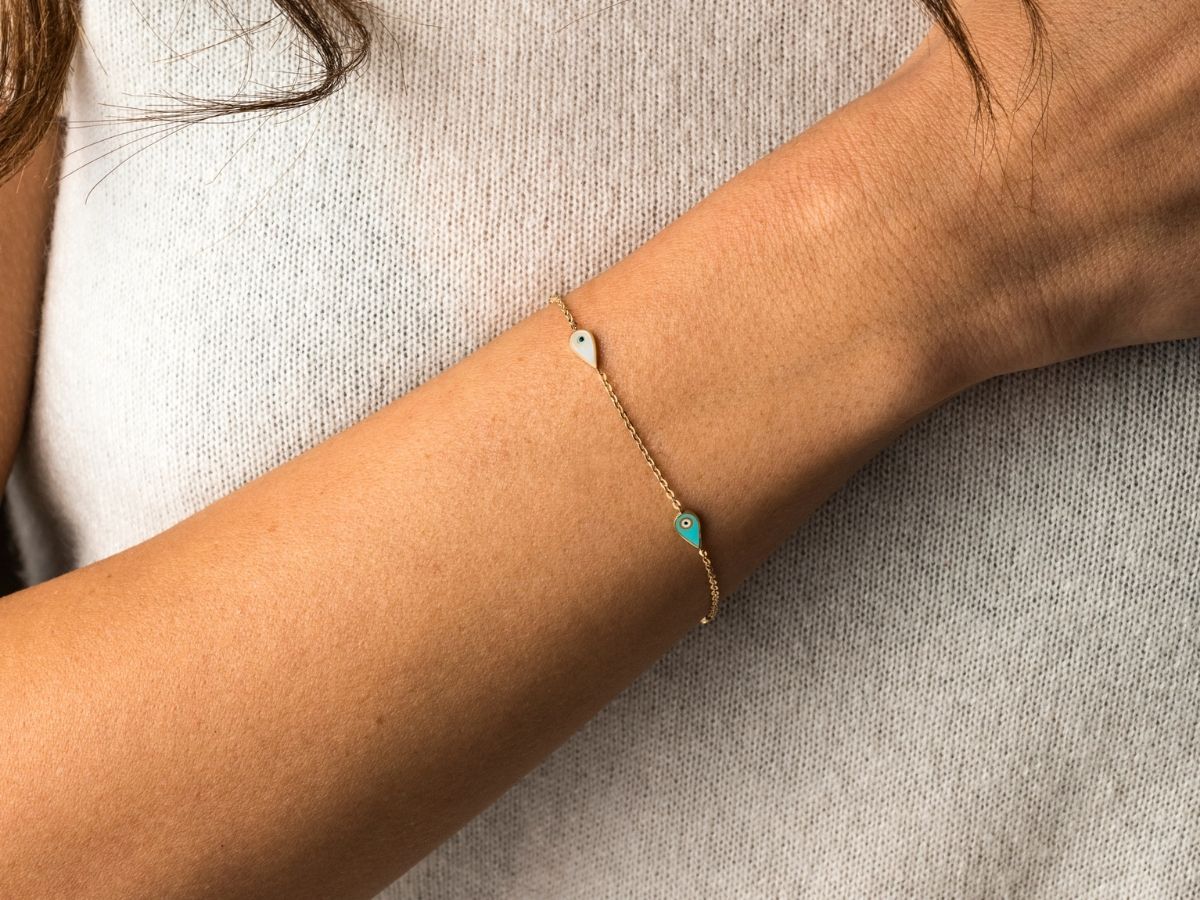
The Greek evil eye is commonly represented by a stylized eye, often featuring concentric circles of blue, white, and dark blue.
In Greek, the evil eye is commonly referred to as to mati, meaning "the eye."
The broader belief in the evil eye is much older than modern Greece and has appeared in different forms across cultures surrounding the Mediterranean and beyond.
In Greek tradition, however, the mati has become an
especially familiar cultural symbol.
Why Is the Greek Evil Eye Blue?
The blue-and-white version is particularly familiar in Greece.
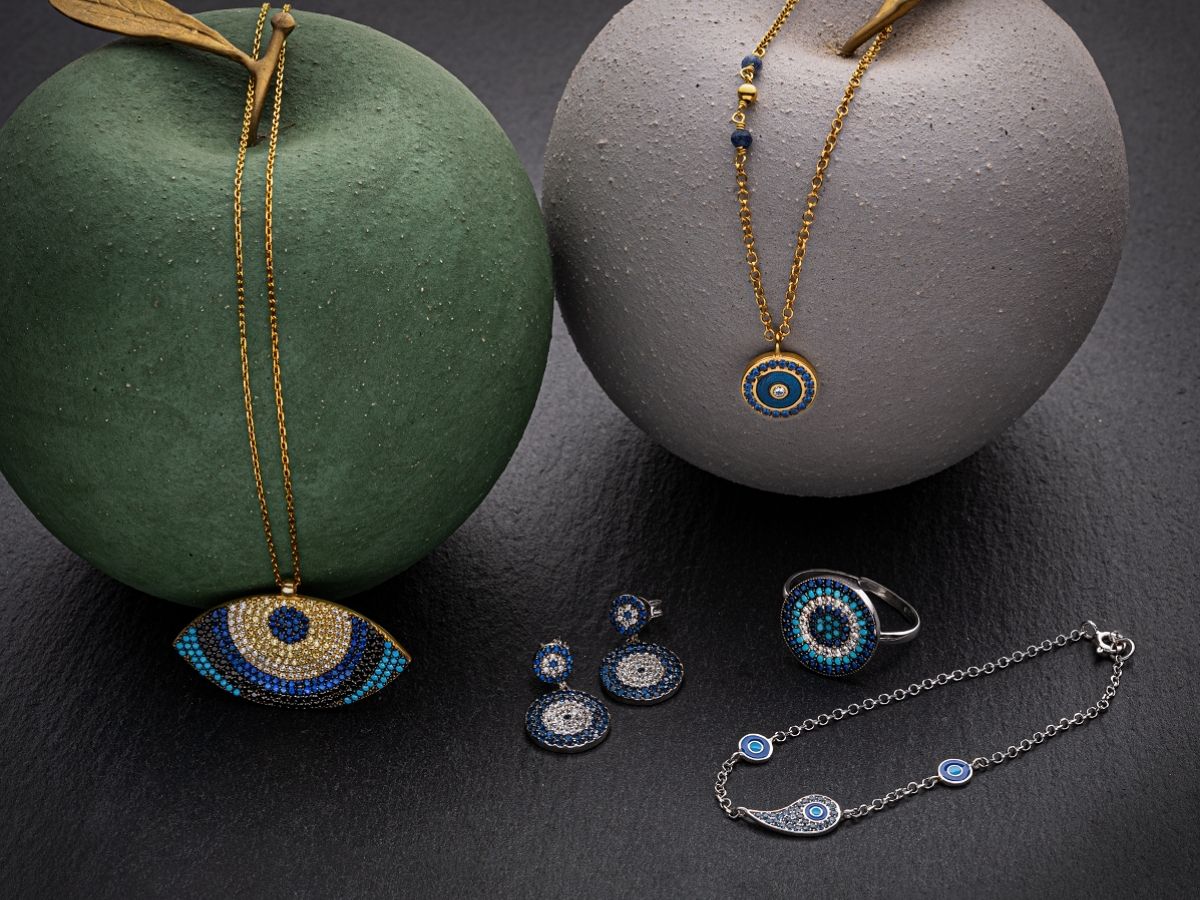
Blue is strongly associated with Greek visual culture and the colors of the Mediterranean, sky, and sea.
However, the evil eye exists in many different colors and artistic forms.
There is no requirement that an evil eye symbol must always be blue.
Modern jewelry designers interpret the motif in many ways, using sterling silver, gold, enamel, gemstones, glass, and other materials.
What Does the Evil Eye Symbolize?
The evil eye is traditionally associated with protection from harmful intentions, envy, or a negative gaze.
For many people, wearing an evil eye pendant, bracelet, or other piece of jewelry is a symbolic way of carrying protection with them.
The meaning can also be personal.
Someone may wear the mati because it reminds them of Greece, their family, their travels, or a cultural tradition passed down through generations.

Protection
Keeps negative energy and harmful gazes away.

Good Fortune
Brings luck, health and well-being.
Connection
A symbol of love, family and greek heritage.
Why Do People Give Evil Eye Jewelry as a Gift?
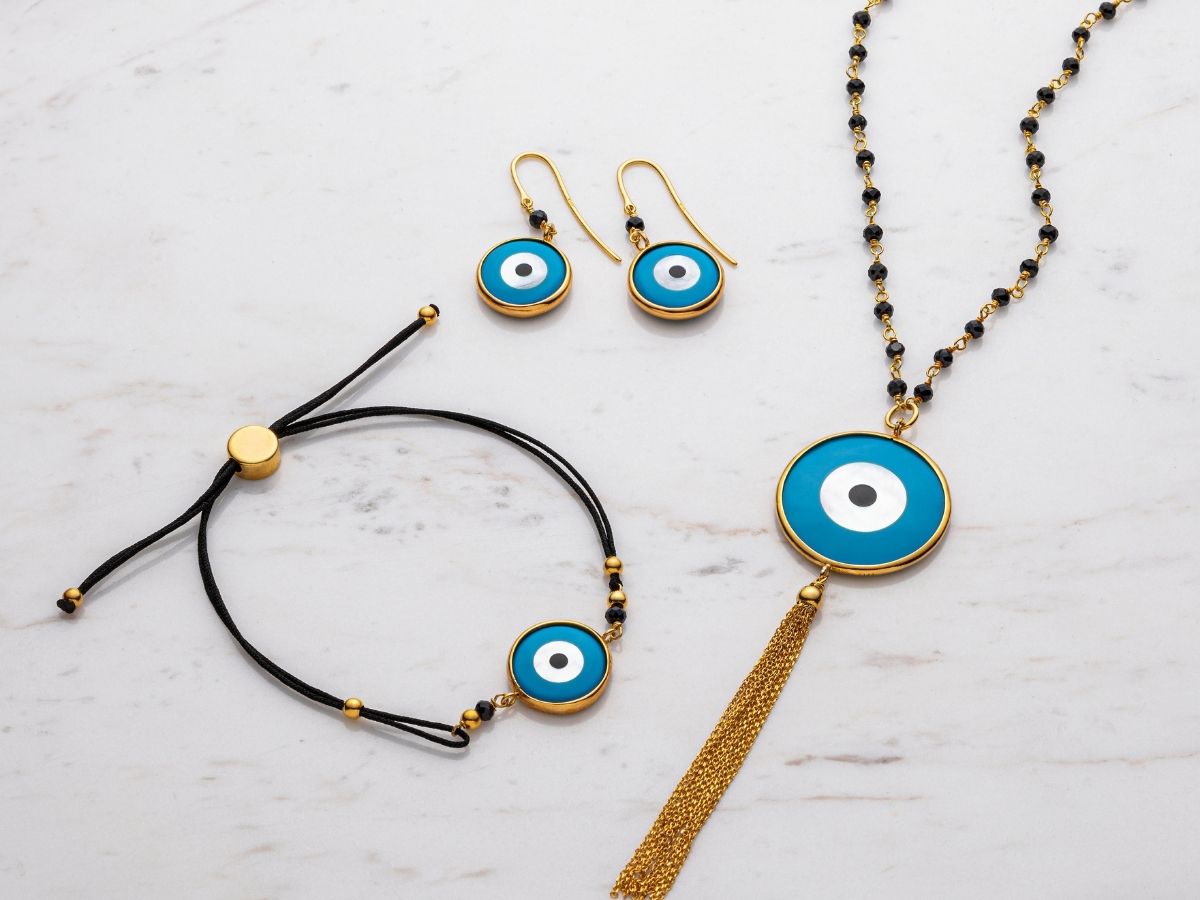
The protective meaning of the mati makes it especially popular as a gift.
A Greek evil eye bracelet or necklace can represent a wish
for protection, good fortune, and well-being.
It can also make a beautiful souvenir for someone who has visited Greece.
For a traveler, it can serve as a small reminder of Athens, the Greek islands, or a special trip.
For someone with Greek heritage, it can represent a connection to family and cultural tradition.
Is the Evil Eye a Greek Symbol?
The belief in the evil eye is not exclusive to Greece.
Similar traditions have existed for centuries across many cultures and regions.
What makes the Greek mati distinctive is its strong presence in Greek culture and its modern association with Greece.
That is why the symbol has become one of the most recognizable motifs in Greek inspired jewelry.
Greek Evil Eye Jewelry at Greek Roots
At Greek Roots in Athens, the evil eye is part of the wider world of Greek-inspired jewelry and gifts.
Whether you are looking for a small everyday charm or a more elegant piece of jewelry, the mati offers a simple way to carry a symbol associated with Greek culture and protection.
Featured Evil Eye Jewelry


Frequently Asked Questions
The Greek evil eye, or mati, is traditionally associated with protection from the harmful effects of envy or a negative gaze.
The Greek expression commonly used is "mati," meaning "eye."
Blue is the color most strongly associated with the traditional Greek mati, although evil eye symbols can appear in many different colors and designs.
No. Beliefs about the evil eye exist in many cultures. The mati is the Greek cultural expression of this longstanding tradition.
Yes. Its connection with protection and Greek culture makes it one of the most recognizable and meaningful Greek-inspired gifts.

Related Collections
Explore more Greek-inspired jewelry and find a piece with a story behind it.


